Tech jobs are everywhere in America today. You see them in job boards, in the news, and in almost every conversation about the future of work. But if you are new to this world, the choices can feel confusing. Should you go to college? Should you try a bootcamp? Can you teach yourself and skip school completely?
This guide will walk you through the real paths people take to build tech careers in America. We will keep things simple and clear. No jargon. No fluff. Just facts you can use to make a smart choice for your life.
Why Tech Careers Are Worth Considering
Let’s start with the basics. Why do so many people want to work in tech?
First, the pay is strong. Many tech jobs pay well above the national average salary. Even entry-level roles often pay more than jobs in other industries that need the same amount of training.
Second, tech jobs are flexible. Many companies allow remote work or hybrid schedules. You can often work from home, a coffee shop, or even another country, as long as you have a laptop and internet.
Third, the field keeps growing. Businesses in every industry now need tech skills. Hospitals need software. Farms use data tools. Retail stores need apps. This means tech workers are in demand almost everywhere, not just in Silicon Valley.
Fourth, tech offers many paths forward. You can move from coding into management. You can shift from one specialty to another. And You can start your own company. The options keep multiplying as you gain experience.
The Four Cornerstone Paths Into Tech
There is no single “right” way to enter tech. Most people in America follow one of four main paths. Let’s look at each one closely.
1. The Traditional College Path
This is the path most people think of first. You attend a four-year university and earn a degree in computer science, information technology, or a related field.
- What you get: A college degree gives you a strong base in computer science theory. You learn about algorithms, data structures, operating systems, and math. This deep knowledge helps you solve harder problems later in your career. It also opens doors at large companies that still prefer degree holders for certain roles, especially in research or highly technical fields.
- What it costs: A four-year degree can take four to six years to finish. Tuition costs vary a lot. Public in-state schools cost less than private schools. Many students take out loans, which can take years to pay back after graduation.
- Who it fits best: This path works well for people who want a strong theoretical foundation, plan to work in research, or want the structure of campus life. It also fits people who are still young and have the time and money to invest in a longer education.
2. The Coding Bootcamp Path
Bootcamps are short, intense training programs. Most last between three and six months. They focus on practical coding skills you can use right away in a job.
- What you get: Bootcamps teach real-world skills fast. You build projects, work on a portfolio, and often get help with job placement. Many bootcamps focus on popular skills like web development, data analysis, or cybersecurity. Instructors often come from the industry, so you learn current tools and methods.
- What it costs: Bootcamps cost less than a full college degree, but they still require a real investment. Costs can range widely depending on the program and location. Many bootcamps now offer payment plans or income-share agreements, where you pay a percentage of your future salary instead of paying upfront.
- Who it fits best: This path suits people who want to switch careers quickly, already have some experience in another field, or need to start earning sooner rather than later. It also fits people who learn best through hands-on projects rather than theory-heavy classes.
3. The Self-Taught Path
Some of the most successful people in tech never went to college or a bootcamp. They taught themselves using free or low-cost resources online.
- What you get: Total flexibility. You choose what to learn, when to learn it, and how fast to move. You can use free coding platforms, YouTube tutorials, documentation, and online communities. Over time, you build your own portfolio of projects that show employers what you can do.
- What it costs: Very little money, but a lot of time and discipline. Without a set schedule or teacher, you have to hold yourself accountable. This path also takes longer for many people because there is no structured curriculum guiding you step by step.
- Who it fits best: This path fits people who are highly motivated, enjoy learning on their own, and cannot afford the cost of school or a bootcamp. It works especially well for those who already have some technical curiosity, like tinkering with computers or building small projects for fun.
4. The Community College and Associate Degree Path
Community colleges offer two-year degrees that cost far less than four-year universities. Many now offer strong programs in computer science, IT support, cybersecurity, and networking.
- What you get: A solid technical foundation at a much lower cost. Many community college credits also transfer to four-year universities later, so you can start small and build up if you want a full degree eventually.
- What it costs: Tuition is usually a fraction of what a four-year university charges. You also save money by living at home or working part-time while you study.
- Who it fits best: This path fits people who want a lower-cost entry point, are unsure if a full four-year degree is right for them, or need flexible class schedules because they are working or raising a family.
Read also: tech path america
Choosing the Right Tech Role
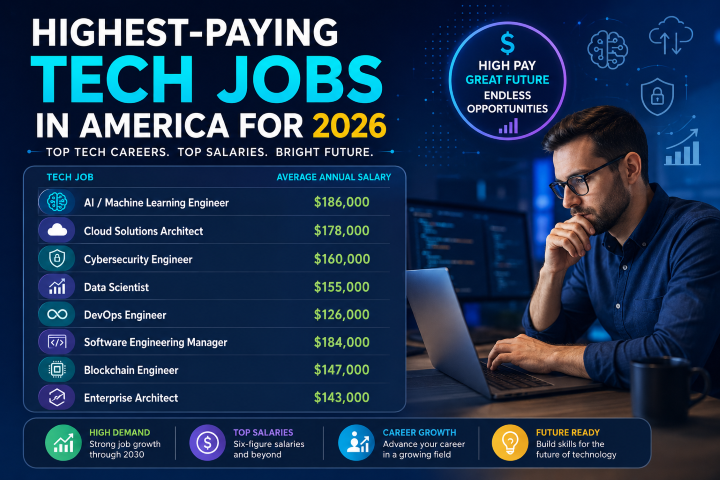
Once you pick a learning path, the next big question is: what kind of tech job do you actually want? Tech is a huge field with many different roles. Here are some of the most common ones in America today.
Software Developer
Software developers write the code that powers apps, websites, and computer programs. They work in many industries, from banking to gaming to healthcare. This is one of the most common entry points into tech because there are so many types of developer roles, from front-end (what users see) to back-end (what happens behind the scenes).
Data Analyst
Data analysts look at numbers and turn them into insights. They use tools to study trends, spot patterns, and help companies make better decisions. This role is a great fit for people who like math, logic, and problem-solving, but who may not want to write complex code all day.
Cybersecurity Specialist
Cybersecurity workers protect companies from hackers and data breaches. As more business moves online, this field keeps growing fast. Cybersecurity roles often pay very well because the risk of a data breach is so costly for companies.
UX/UI Designer
UX and UI designers focus on how apps and websites look and feel. UX stands for user experience, and UI stands for user interface. These designers make sure that using an app feels smooth and easy, not confusing or frustrating. This role blends creativity with problem-solving.
IT Support Specialist
IT support workers help people fix computer problems. They answer tickets, solve issues, and keep company systems running. This role is often one of the easiest ways to enter tech because it needs fewer advanced technical skills to start.
Product Manager
Product managers guide a product from idea to launch. They work with designers, engineers, and business teams to make sure the final product solves a real problem for users. This role often needs some tech background, but it leans more on communication and leadership skills.
Cloud Engineer
Cloud engineers manage the online systems that store and run company data and applications. As more businesses move away from physical servers, cloud skills have become some of the most valuable in the entire tech industry.
Skills That Matter Across Every Tech Path
No matter which path or role you pick, some skills will help you in almost any tech job.
- Problem-solving sits at the center of every tech role. Whether you write code, analyze data, or design a screen, you are always solving some kind of problem.
- Communication matters more than people expect. Tech workers often explain complex ideas to people who are not technical. Being able to explain your work clearly can set you apart from someone with slightly better technical skills but weaker communication.
- Adaptability keeps you relevant. Tools and technologies change fast. The person who keeps learning new skills will always have an edge over someone who stops growing after their first job.
- Collaboration is key because almost no tech work happens alone. You will work in teams, share code, give feedback, and receive feedback. Learning to work well with others makes you a stronger employee at every level.
How Long Does It Take to Land Your First Tech Job?
This depends heavily on the path you choose and how much time you can commit each week.
Bootcamp graduates often land jobs within three to six months after finishing their program, though this varies by job market and specialty. Self-taught learners may take longer, often six months to two years, because they build their own schedule and often balance learning with a current job. College graduates enter the job market after their degree, but many also complete internships during school that help them start working sooner after graduation.
The truth is, timelines vary a lot from person to person. What matters most is consistency. People who study or practice a little bit every day tend to move faster than people who study in short bursts and then stop for weeks at a time.
Building a Portfolio That Gets You Hired
No matter which path you take, you need a portfolio. A portfolio is a collection of projects that show what you can actually do. Employers care more about what you can build than which school or program you attended.
Start small. Build simple projects first, like a personal website or a basic app. As your skills grow, take on bigger projects that solve real problems. Try to build things that connect to your interests. If you love music, build a music app. If you love sports, build a stats tracker. Projects that reflect real interest usually turn out better because you stay motivated to finish them.
Also, put your work somewhere employers can see it. Many developers use GitHub to store and share their code. Designers often use sites like Behance or Dribbble. A simple personal website that links to your best work can also make a strong impression.
Networking: The Path Most People Skip
Many people focus only on learning skills and forget about networking. This is a mistake. Many tech jobs come from connections, not job postings.
Attend local meetups if you can find them in your city. Many tech communities host free events where beginners can meet people already working in the field. Online communities also help. Platforms built around specific tech topics let you ask questions, share your work, and meet people who might later refer you for a job.
Do not be afraid to reach out to people directly. A short, polite message asking for advice can open doors that job applications alone cannot. Most people in tech remember what it felt like to be a beginner, and many are happy to help someone just starting out.
Common Mistakes to Avoid
- Trying to learn everything at once: Tech has countless tools, languages, and frameworks. Trying to learn all of them leads to burnout and confusion. Pick one path, focus, and build real skill before jumping to something new.
- Comparing your timeline to others: Everyone moves at a different pace. Some people land jobs in three months. Others take a year or more. Comparing yourself to someone else’s timeline only adds stress that slows you down.
- Skipping the basics: It can feel exciting to jump straight into flashy tools, but strong basics make everything else easier later. Take the time to understand the fundamentals of your chosen field before rushing ahead.
- Ignoring soft skills: Many beginners focus only on technical skills and forget that communication, teamwork, and problem-solving matter just as much. Employers often choose a slightly less technical candidate who communicates well over a highly technical candidate who struggles to work with a team.
Final Thoughts
There is no single correct path into a tech career in America. College, bootcamps, community college, and self-teaching all lead to real jobs every single day. What matters most is picking the path that fits your life, your budget, and your learning style, and then sticking with it.
Tech careers reward people who keep learning and keep building. Whether you spend four years in college or four months in a bootcamp, your real growth happens after you land that first job and keep sharpening your skills over time.
Start where you are. Use what you have. Take the first step today, and let your progress build from there.