Introduction
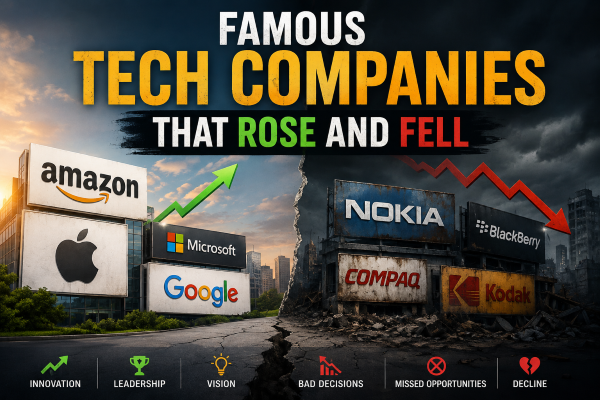
Have you ever heard of a company that was once a huge name, but today almost nobody talks about it? This is what people call a “tech demis.” It is a simple way to describe a technology or company that used to be strong and popular, but later became weak, old, or completely gone.
The tech world moves very fast. New ideas come every year. Some companies grow big and then suddenly lose everything. Others slowly fade away because they could not keep up with new trends. These stories are called tech demis, and they teach us a lot about business, change, and staying ahead.
In this blog post, we will talk about what a tech demis really means, why it happens, and we will look at some of the most famous examples in history. We will use easy words so that anyone can understand, even if you are not a tech expert. By the end, you will know why staying updated is so important in the tech world.
What Does “Tech Demis” Mean?

The word “demis” comes from “demise,” which means the end or death of something. So when we say tech demis, we are talking about the end of a technology, product, or company that used to be very important.
A tech demis does not always mean the company disappears completely. Sometimes the company still exists, but it is no longer a leader. It becomes small, forgotten, or replaced by something newer and better.
Here are some common signs of a tech demis:
- The company was once a market leader
- Sales and users started dropping fast
- New competitors came with better ideas
- The company failed to change with the times
- The brand became old-fashioned or unused
Understanding tech demis helps us learn from the past. It shows us that no company, no matter how big, is safe forever. Only the ones that keep learning and changing can survive.
Why Do Companies Face a Tech Demis?
There are many reasons why a strong tech company can fall. Let’s look at the most common ones in simple words.
1. They Did Not Change With Time
Technology changes every day. What is popular today might be useless tomorrow. Companies that do not update their products or ideas often fall behind. They keep using old methods while the world moves forward.
2. They Ignored New Competitors
Sometimes big companies think they are too strong to fail. They ignore small competitors, thinking they are not a threat. But many small companies grow fast and take over the market because they offer something better or cheaper.
3. They Made Bad Business Decisions
Poor choices in leadership, pricing, or marketing can hurt a company badly. Even good products can fail if the business decisions behind them are wrong.
4. They Failed to Understand Customers
Customers’ needs change all the time. A company that does not listen to its users will slowly lose them. People want convenience, speed, and value. If a company cannot give this, users move to other options.
5. They Relied Too Much on One Product
Some companies depend on just one product for their success. When that product becomes outdated, the whole company suffers because they have nothing else to fall back on.
Famous Examples of Tech Demis
Now let’s look at some real examples of tech demis. These stories are well known, and they show how even the biggest names can fall.
Blockbuster
Blockbuster was once the king of movie rentals. People from every city would visit Blockbuster stores to rent movies and games. At its peak, the company had thousands of stores around the world.
But then, streaming services like Netflix came along. Netflix allowed people to watch movies from home without leaving their couch. Blockbuster was slow to accept this change. It kept believing that people would always want to visit physical stores.
By the time Blockbuster tried to change, it was too late. Netflix had already taken over the market. Blockbuster filed for bankruptcy in 2010, and today only a few small stores remain as a memory of what it used to be.
Nokia
Nokia was once the biggest mobile phone company in the world. Almost everyone owned a Nokia phone at some point. Their phones were known for being strong, simple, and reliable.
However, when smartphones with touch screens and apps became popular, Nokia was slow to adapt. Companies like Apple and Samsung introduced smartphones that changed how people used their phones. Nokia kept using old software and designs for too long.
By the time Nokia tried to catch up, users had already moved to newer smartphones. This is a clear example of a tech demis, where a giant company lost its place because it could not keep up with new technology trends.
MySpace
Before Facebook became popular, MySpace was the top social media platform. Millions of people used it to create profiles, share music, and connect with friends.
But MySpace had a cluttered design and slow updates. Facebook came with a cleaner look and better features. Slowly, users started to move to Facebook because it was easier and more modern to use.
MySpace tried to fix its problems, but it was too late. Facebook had already become the new favorite. Today, MySpace still exists, but it is nowhere near as popular as it once was.
Kodak
Kodak was a famous name in photography. For many years, people used Kodak film and cameras to capture memories. In fact, Kodak was even one of the first companies to invent digital camera technology.
But here is the surprising part: Kodak did not fully use its own invention. The company was afraid that digital cameras would hurt their film sales, so they held back from promoting digital technology. Other companies took advantage of digital cameras and moved ahead quickly.
By the time Kodak realized its mistake, digital cameras and smartphones had already taken over. Kodak filed for bankruptcy in 2012. This story teaches us that even inventors can face a tech demis if they are afraid of change.
Yahoo
Yahoo was one of the first big names on the internet. It was a leading search engine and email service for many years. Millions of people trusted Yahoo for news, search, and communication.
But Yahoo made several mistakes over time. It missed chances to buy companies like Google and Facebook when they were still small and affordable. It also went through many changes in leadership, which made it hard to have a clear plan for growth.
Slowly, Yahoo lost its place to Google in search and other companies in email and news. It is still around today, but it is a shadow of what it used to be. This is another well-known tech demis story.
BlackBerry
BlackBerry phones were once the top choice for business professionals. Their keyboards and secure email systems made them a favorite for offices and companies.
When touchscreen smartphones like the iPhone came out, BlackBerry stayed focused on its keyboard design for too long. It underestimated how much people wanted touchscreens and mobile apps.
By the time BlackBerry tried to switch to touchscreens, users had already moved to iPhones and Android phones. BlackBerry lost its place in the market, becoming another example of a tech demis in the smartphone world.
Napster
Napster was one of the first popular music-sharing platforms. It let people share and download songs for free, which made it hugely popular among young users in the early 2000s.
However, Napster faced legal trouble because it allowed people to share copyrighted music without permission. Music companies sued Napster, and the platform eventually had to shut down its original service.
Even though Napster later returned in a different, legal form, it never became as popular as it once was. This shows how legal problems can also lead to a tech demis.
Yahoo Answers and Old Search Tools
Yahoo did not just struggle with search. It also had many other products that failed to keep up with time. Yahoo Answers, once a popular place for people to ask questions and get replies from other users, slowly lost its users to newer platforms like Reddit and Quora. These newer platforms had better designs, faster answers, and stronger communities. Yahoo Answers eventually shut down completely, which added another small tech demis story under the bigger Yahoo story.
Internet Explorer
For many years, Internet Explorer was the most used web browser in the world. It came built into every Windows computer, so millions of people used it without even thinking about other options.
However, Internet Explorer became known for being slow, unsafe, and outdated. New browsers like Google Chrome and Mozilla Firefox offered faster speeds, better security, and more modern designs. Slowly, people stopped using Internet Explorer and moved to these new browsers.
Microsoft eventually had to retire Internet Explorer completely and replace it with a new browser called Microsoft Edge. This is a strong example of how even a product used by almost everyone can still face a tech demis if it does not improve with time.
Palm and PDAs
Before smartphones became common, small handheld devices called PDAs (Personal Digital Assistants) were very popular. Palm was one of the biggest names in this space, known for devices like the Palm Pilot.
These devices let users store contacts, notes, and schedules in a small pocket-sized gadget. For a while, Palm was seen as the future of personal technology.
But when smartphones arrived, they combined everything a PDA could do, plus calling, internet browsing, and apps, all in one device. Palm tried to compete by making its own smartphones, but it struggled to keep up with companies like Apple and Google. Eventually, Palm’s brand faded away completely, becoming another forgotten name in tech history.
Friendster
Before MySpace and Facebook, there was Friendster. It was one of the very first social networking websites, and it became extremely popular in a short time.
However, Friendster had many technical problems. The website was often slow and would crash when too many people tried to use it at once. Instead of fixing these problems quickly, the company took too long to improve. This gave other platforms like MySpace and later Facebook the opportunity to take over. Friendster eventually lost almost all of its users and shut down its original social network service.
Toys “R” Us and Physical Retail Tech Struggles
While Toys “R” Us was not purely a tech company, its story is closely connected to tech demis because it failed to compete with online shopping platforms like Amazon. As more people started shopping online for convenience and better prices, physical toy stores lost customers. Toys “R” Us did not invest enough in building a strong online shopping experience early on. This slow response to changing shopping habits eventually led to the closing of most of its stores.
This example shows that tech demis is not limited to companies that make gadgets or software. Any business that fails to adapt to new technology and changing customer habits, including retail stores, can also face the same fate.
How Tech Demis Affects Employees and Communities
When a big tech company faces a demis, it does not only affect the business itself. It also affects thousands of employees who may lose their jobs. Entire communities that depend on these companies for work can also suffer.
For example, when Kodak went through its decline, many workers in its hometown lost their jobs. Local businesses that depended on Kodak employees for customers were also affected. This shows that a tech demis is not just a business story. It is also a human story that touches real people’s lives.
This is why experts always encourage companies to plan ahead and prepare for change, not just for their own success, but also to protect the people who depend on them for a living.
The Role of Leadership in Preventing Tech Demis
Good leadership plays a huge role in whether a company survives changing times or not. Leaders who are open to new ideas, willing to listen to their teams, and brave enough to make bold decisions often help their companies avoid a tech demis.
On the other hand, leaders who are too comfortable with old methods or afraid of taking risks often lead their companies toward failure. Many of the tech demis stories we discussed earlier happened because leadership teams were slow to accept change or too confident that their company was too big to fail.
This teaches an important lesson for anyone in a leadership position today: staying humble, staying curious, and always being willing to learn are key qualities needed to guide a company safely through changing times.
Lessons We Can Learn From Tech Demis Stories
These stories are not just history lessons. They teach us important ideas that apply to businesses, workers, and even everyday tech users. Let’s look at the biggest lessons.
Change Is Always Happening
Technology never stops moving forward. Companies and people need to accept change instead of fighting it. The businesses that survive are the ones that keep learning and adjusting to new trends.
Listen to Your Customers
Every company that faced a tech demis ignored what their customers wanted at some point. Listening to customer needs and feedback is one of the best ways to stay relevant.
Do Not Be Afraid to Take Risks
Kodak’s story shows us that being too careful can also cause failure. Sometimes companies need to take risks and try new ideas, even if it feels uncertain.
Watch Your Competitors
Ignoring small competitors can be a big mistake. Many small companies grow fast, and by the time a big company notices them, it may already be too late to compete.
Innovation Should Never Stop
Even if a company is doing well today, that does not guarantee success tomorrow. Continuous innovation, or coming up with new ideas, is the only way to stay ahead in the tech world.
Are There Any Tech Demis Happening Today?
The truth is, tech demis stories are still happening right now, even as technology keeps growing. Some companies that once seemed unstoppable are already showing signs of decline, while newer technologies like artificial intelligence, electric vehicles, and cloud computing are taking over old systems.
It is always interesting to watch how the tech world changes. What is popular today could easily become a tech demis story tomorrow if companies are not careful.
What Makes a Company Survive Instead of Facing a Tech Demis?
Not every big company falls apart. Some companies face hard times but manage to turn things around and grow again. Looking at these survival stories can teach us just as much as the failure stories.
Apple’s Comeback
In the late 1990s, Apple was struggling badly. The company was losing money and was close to shutting down completely. Many people thought Apple would soon become another tech demis story.
But Apple made a big change. It brought back Steve Jobs as its leader, focused on simple and beautiful product designs, and introduced new products like the iMac, iPod, iPhone, and iPad. These bold changes turned Apple into one of the most valuable companies in the world today.
Apple’s story shows that even when a company is close to failure, strong leadership and fresh ideas can completely change its future.
Microsoft’s Shift to Cloud Computing
Microsoft was once mostly known for its Windows operating system and Office software. As the tech world moved toward mobile phones and internet-based services, Microsoft faced pressure to change or risk becoming outdated, just like many other older tech companies.
Instead of staying stuck in the past, Microsoft shifted its focus toward cloud computing with products like Microsoft Azure. This bold move helped Microsoft stay relevant and strong, even as its older products became less important compared to newer technology trends.
Netflix’s Own Transformation
Interestingly, Netflix itself, the company that helped cause Blockbuster’s tech demis, also had to change over time. Netflix started as a DVD mail rental service before shifting completely to online streaming. If Netflix had stayed only as a DVD rental company, it might have faced the same fate as Blockbuster eventually.
By constantly updating its business model, Netflix avoided becoming a tech demis itself and instead became one of the biggest streaming platforms in the world.
These survival stories prove one simple truth: companies that are willing to change, take risks, and listen to changing customer needs have a much better chance of avoiding a tech demis, no matter how difficult things may seem at first.
How to Avoid Becoming a Tech Demis
If you run a business or work in technology, here are some simple tips to avoid becoming the next tech demis story:
- Stay updated: Always follow the latest trends in your industry.
- Listen to feedback: Pay attention to what your customers are saying.
- Invest in innovation: Keep improving your products and services.
- Watch your competitors: Learn from both their success and mistakes.
- Be flexible: Do not be afraid to change your plans if something is not working.
- Plan for the future: Do not rely on just one product or idea forever.
These simple steps can help any business avoid the same mistakes that led to famous tech demis stories in the past.
Conclusion
The story of tech demis reminds us that nothing in the tech world stays the same forever. Even the biggest and most powerful companies can fall if they stop growing and adapting. Blockbuster, Nokia, MySpace, Kodak, Yahoo, BlackBerry, and Napster are all reminders that success today does not guarantee success tomorrow.
By learning from these tech demis stories, businesses and individuals can better prepare for the future. The key lesson is simple: keep learning, keep listening, and always be ready to change. That is the only way to stay ahead in a world where technology never stops moving forward.
Frequently Asked Questions (FAQs)
1. What does tech demis mean? Tech demis means the fall or end of a once-popular technology, product, or company.
2. What is the most famous tech demis story? Blockbuster and Nokia are two of the most well-known examples of tech demis in modern history.
3. Can a company recover after a tech demis? Yes, some companies manage to rebuild themselves with new ideas and strategies, but many never fully return to their old success.
4. Why do big tech companies fail? They often fail because they do not adapt to new trends, ignore competitors, or make poor business decisions.
5. How can businesses avoid a tech demis? By staying updated with trends, listening to customers, and continuing to innovate their products and services.